
最近发布
-
TEER Meter / Cell Resistance Meter - Epithelial Volt-Ohm Meter Supplier
Measure trans-epithelial electrical resistance (TEER) of Caco-2, MDCK and other epithelial cell monolayers. Manufacturer-direct TEER meters and volt-ohm meters for barrier integrity, drug permeability and intestinal research.
TEER Meter / Cell Resistance Meter - Epithelial Volt-Ohm Meter Supplier
Guangzhou Canglv Biotechnology Co., Ltd. manufactures and supplies epithelial cell resistance meters (TEER meters / volt-ohm meters) used to measure the trans-epithelial electrical resistance of cultured cell monolayers. Our instruments are widely used in Caco-2 permeability studies, intestinal barrier research, drug absorption screening, toxicity assessment and tissue-engineering laboratories.
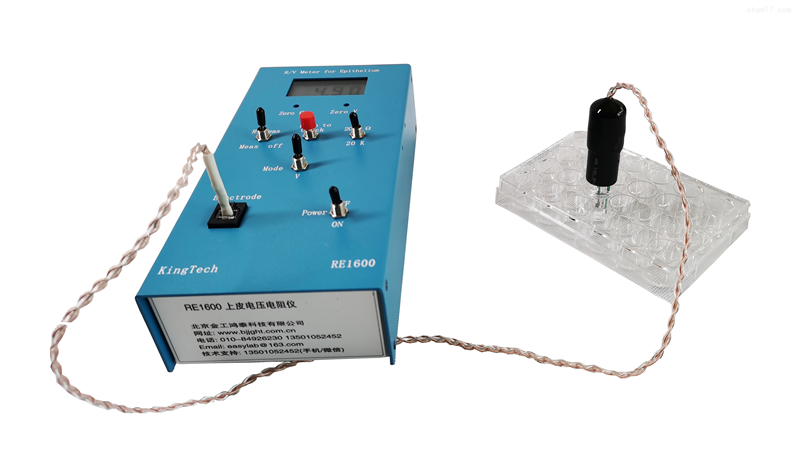
What Is a Cell Resistance Meter (TEER Meter)?
A cell resistance meter measures the trans-epithelial electrical resistance (TEER) of cells grown on permeable membrane inserts. TEER is a widely accepted, non-invasive indicator of the integrity and tightness of epithelial and endothelial cell monolayers such as Caco-2, MDCK, Calu-3 and human intestinal organoid cultures.
Because TEER values rise as tight junctions form, researchers use the measurement to:
Confirm that a cell monolayer has formed a confluent, tight barrier before an experiment;
Monitor barrier integrity over time in transport and permeability assays;
Evaluate the effect of drugs, nutrients, toxins or formulations on epithelial tight junctions;
Compare culture conditions and donor variability across inserts.
Key Features of Our Cell Resistance Meters
Wide resistance range — covers low-resistance cell monolayers through to high-resistance epithelial tissues.
Adjustable AC test frequency — reduces electrode polarization and electrode capacitance artefacts, giving more reliable readings on cell cultures.
Stable, low-current measurement — a small AC current avoids damaging or stressing the cells during measurement.
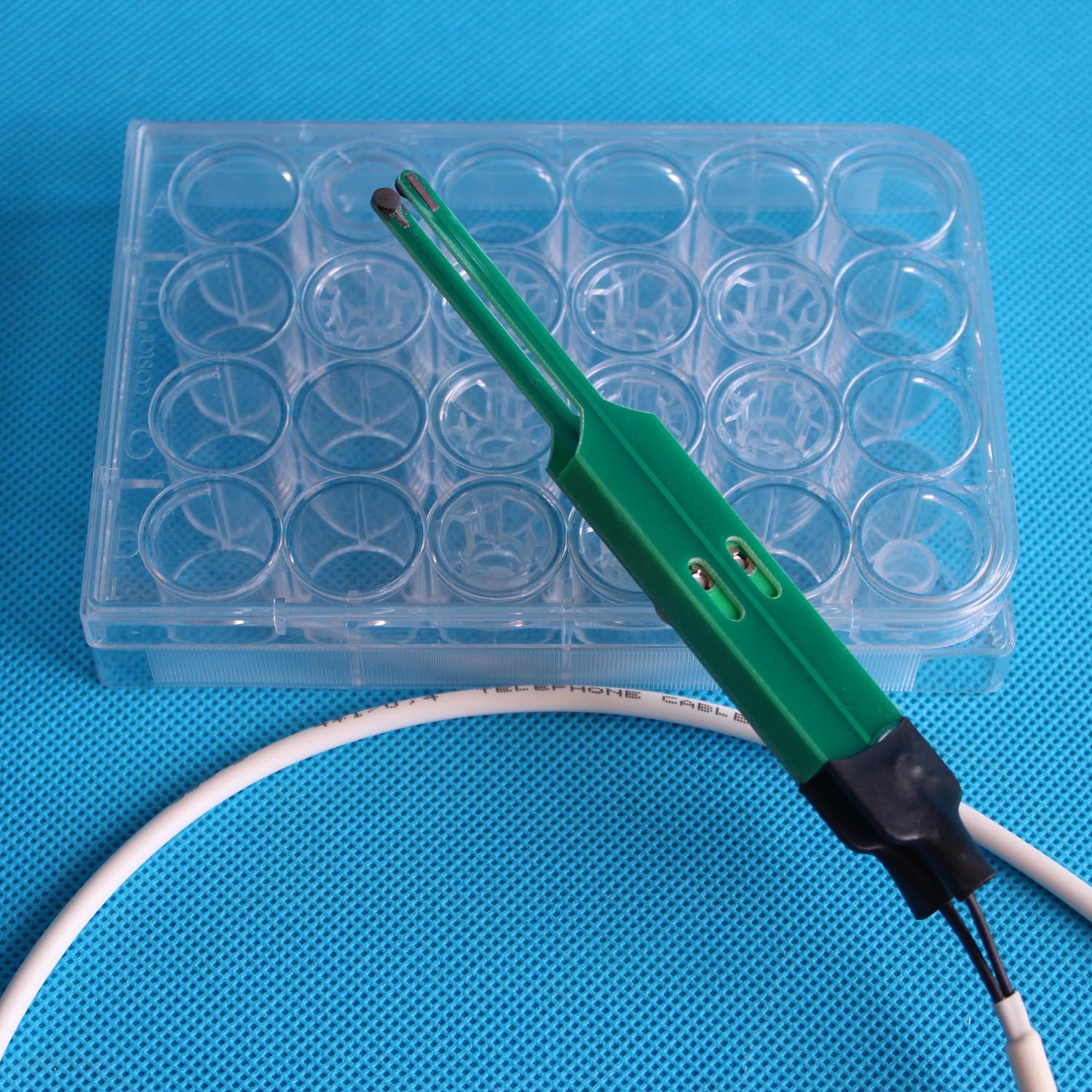
Electrode compatibility — works with standard chopstick (STX) electrodes and custom probes for 6-well, 12-well, 24-well and Transwell / Millicell inserts.
Temperature compensation — readings remain comparable across incubator and bench temperatures.
Data output — direct reading and interface options for recording results into your laboratory notebook or data system.
Typical Applications
Caco-2 and MDCK cell monolayer quality control before transport assays;
Intestinal and airway epithelial barrier integrity research;
Blood-brain barrier (BBB) model validation;
Drug absorption, permeability and efflux-transporter studies;
Probiotic, prebiotic and functional-food barrier-protection studies;
Gut-on-a-chip and organoid barrier function assessment.
How to Measure TEER Correctly
Equilibrate the electrode in culture medium according to the manufacturer's instructions.
Measure the resistance of a blank (cell-free) insert; this value is subtracted from the sample reading.
Place one electrode in the apical compartment and the other in the basolateral compartment of the insert.
Record the resistance, then calculate TEER = (Rsample − Rblank) × membrane area (Ω·cm2).
Take measurements at a consistent temperature and at the same time points for reproducible results.
Why Choose Guangzhou Canglv Biotechnology?
Manufacturer-direct pricing — we build and supply our own instruments, with no intermediary mark-up.
Export experience — we ship worldwide and can supply English manuals, CE-related documentation and certificates of calibration on request.
Technical support — remote support for electrode selection, measurement set-up and troubleshooting.
Related instruments — Ussing chamber systems, vortex mixers, chemical reagents and food irradiation detection equipment from the same supplier.
Contact Us / Request a Quotation
For pricing, datasheets, electrode options or OEM requirements, please contact us:
Company: Guangzhou Canglv Biotechnology Co., Ltd.
Address: Guangzhou, Guangdong, China
Website: www.gzcanglv.com
Overseas distributors and research-institute procurement departments are welcome to contact us for bulk and project quotations.